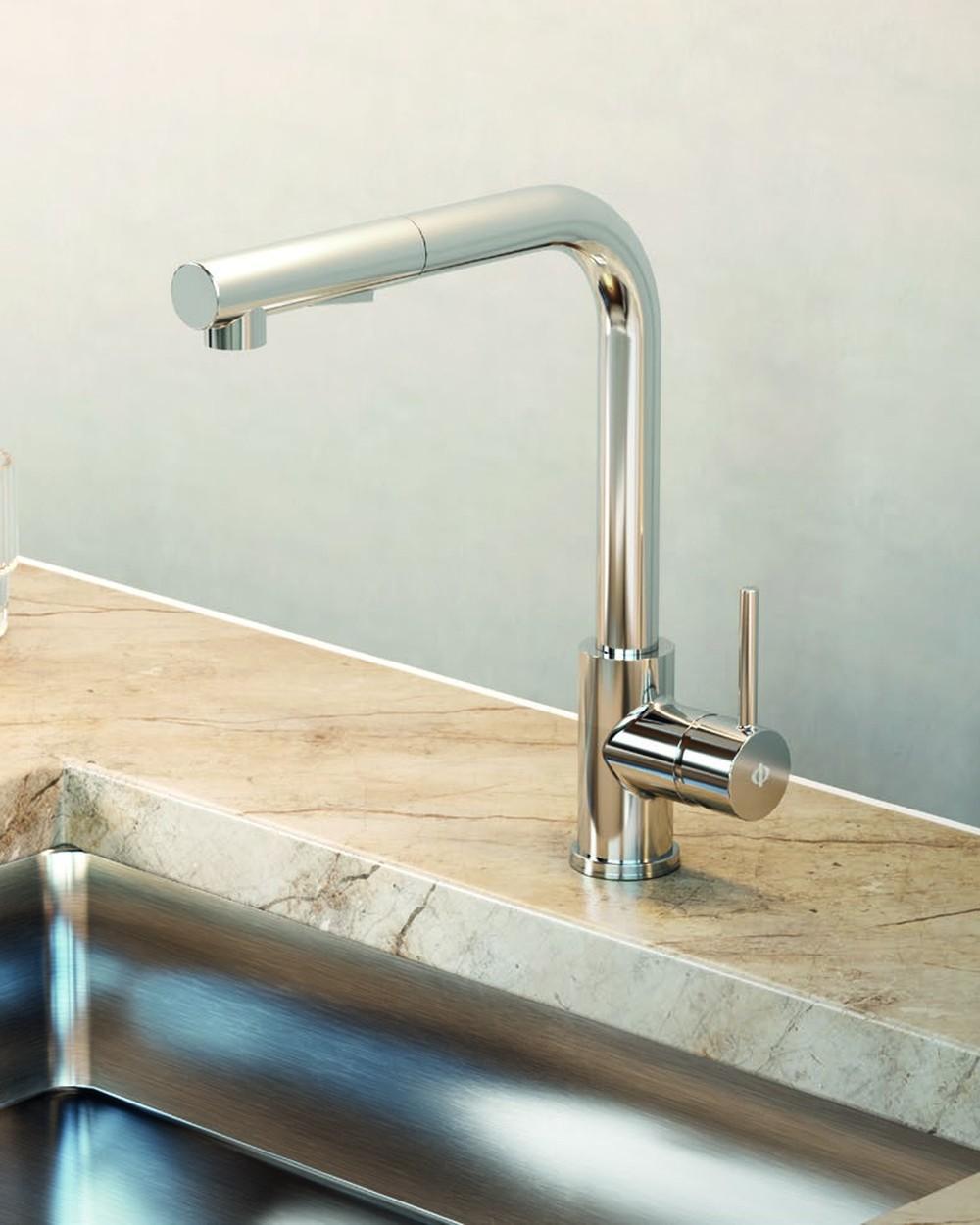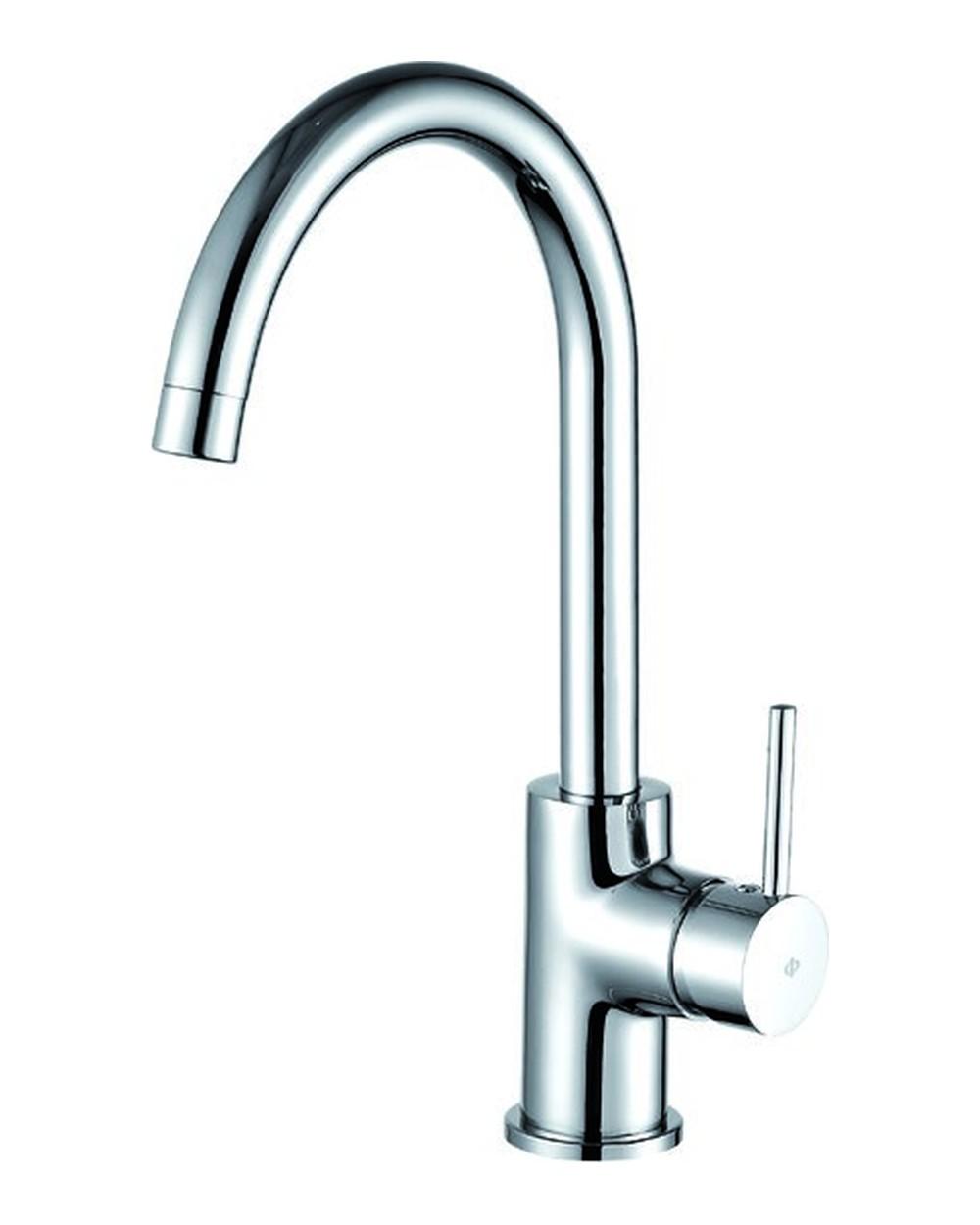
Round kitchen mixer
By quoteKitchen tap with swivelling tall spout.
Bathroom · Kitchen
Kitchen · Taps
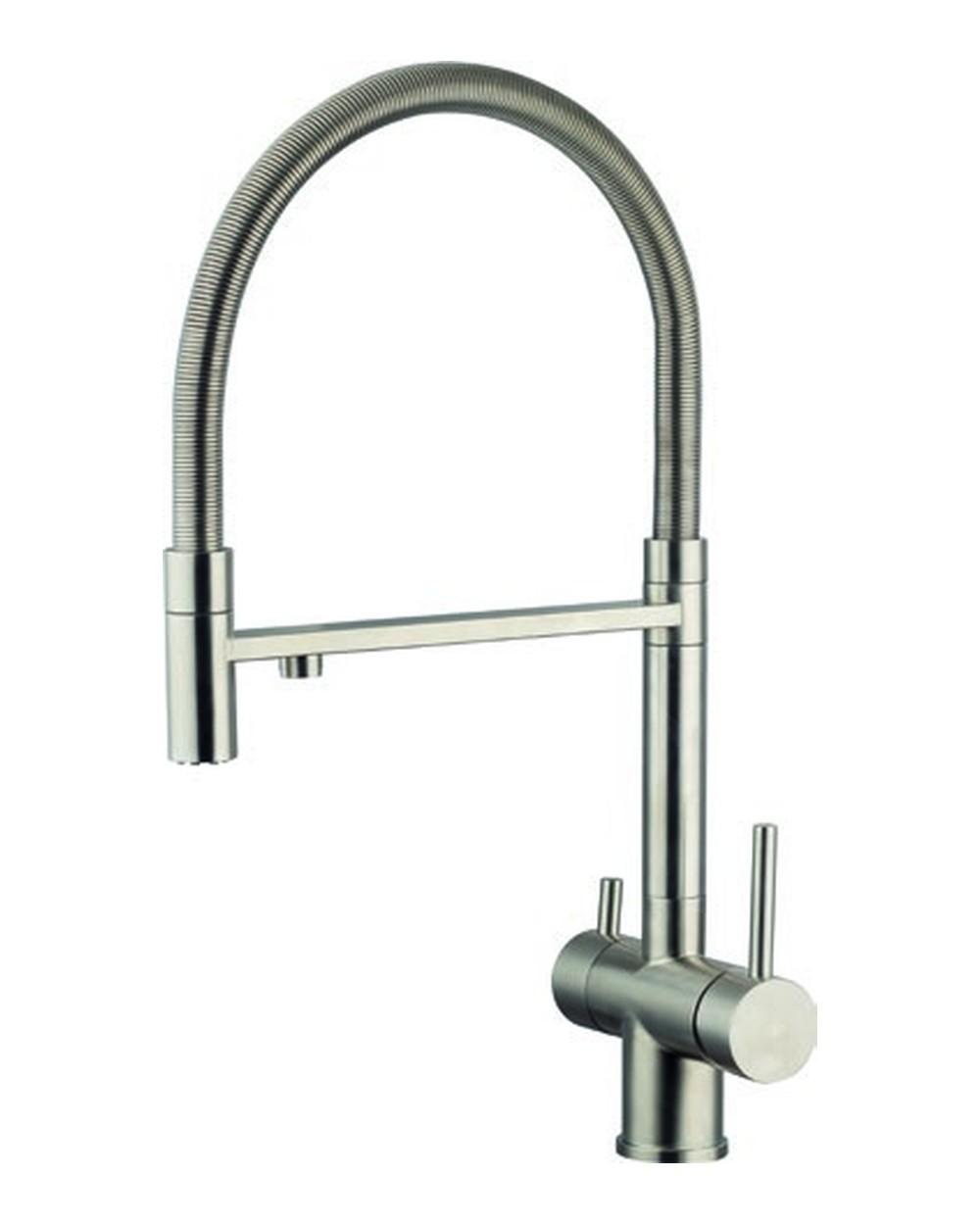
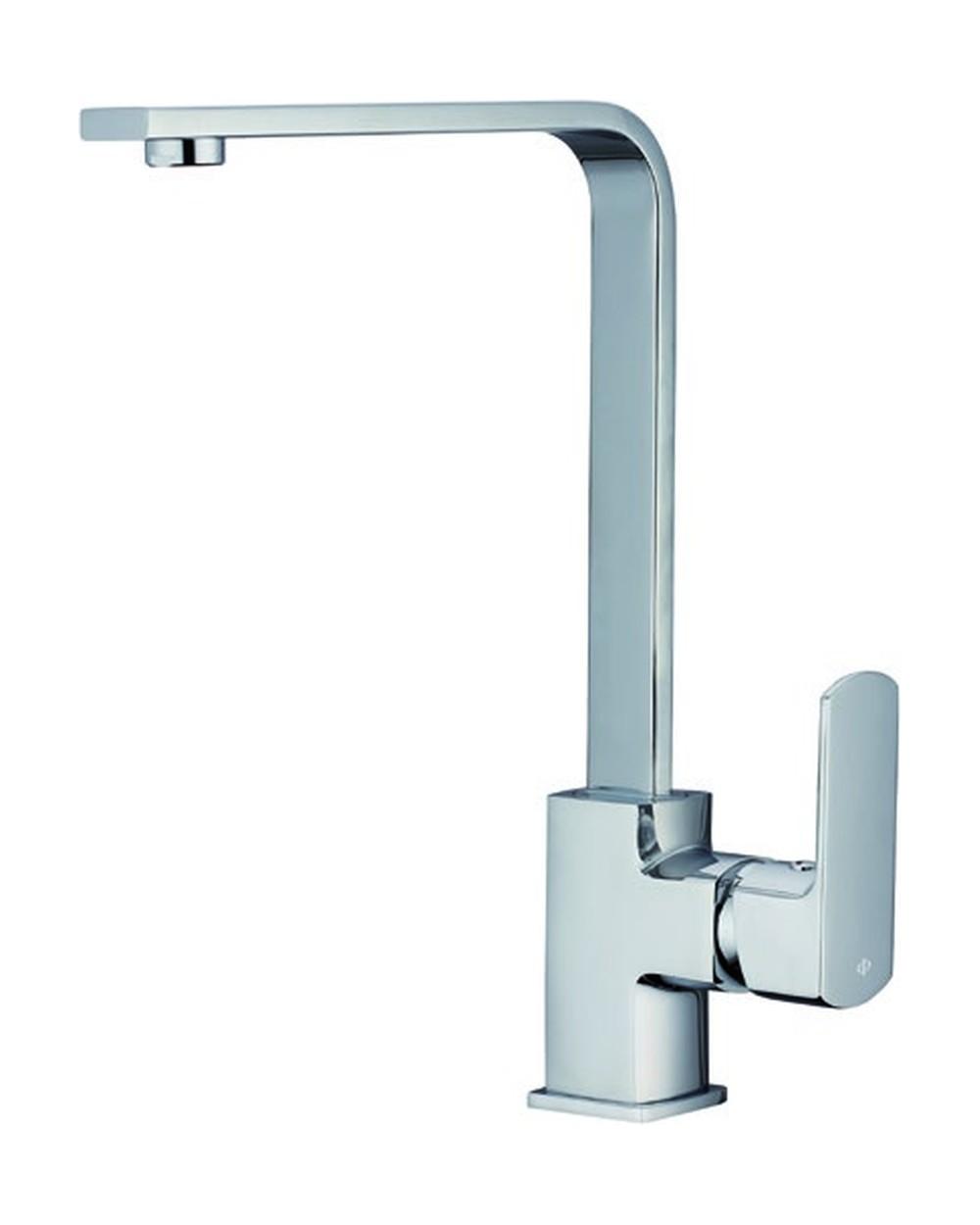
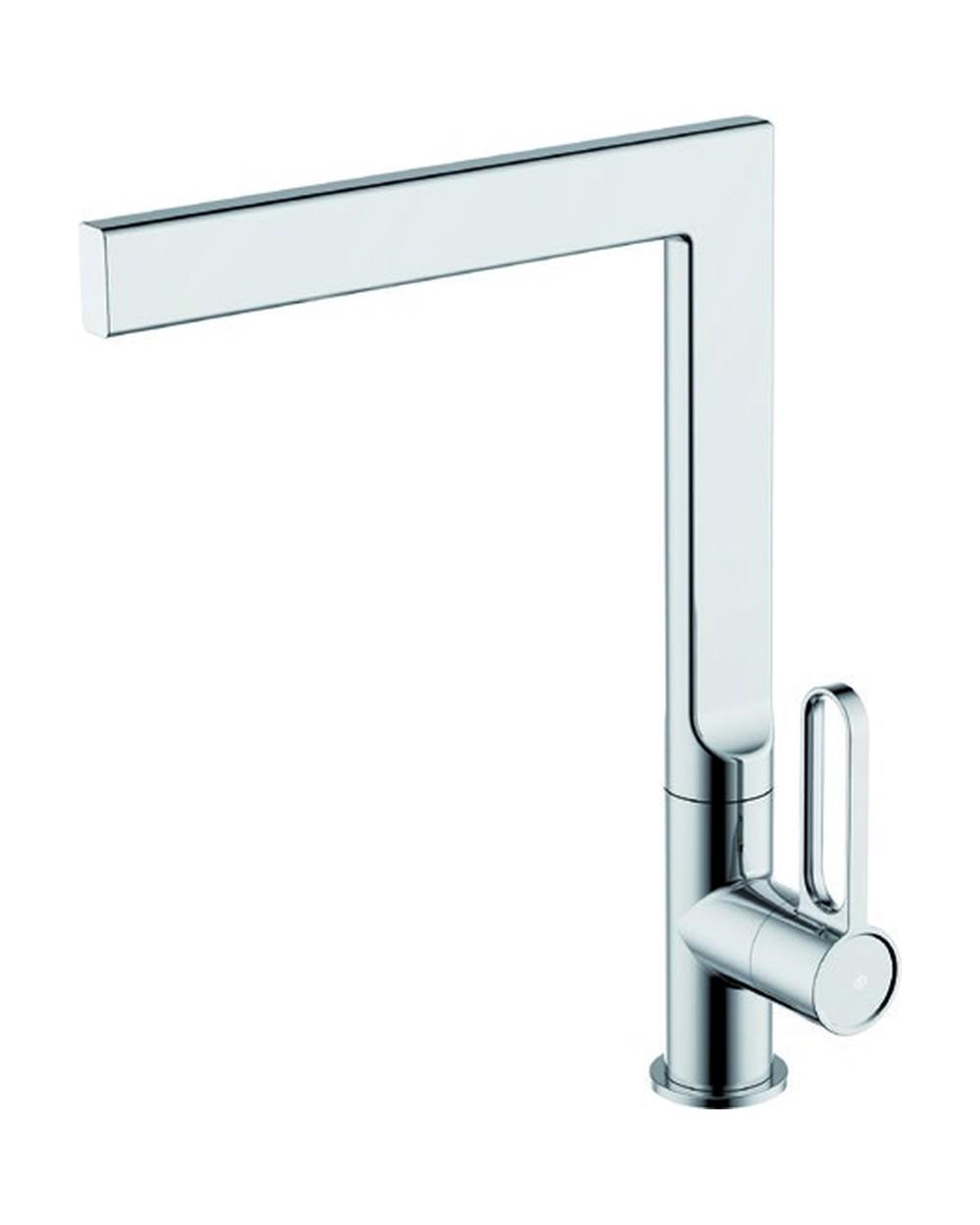
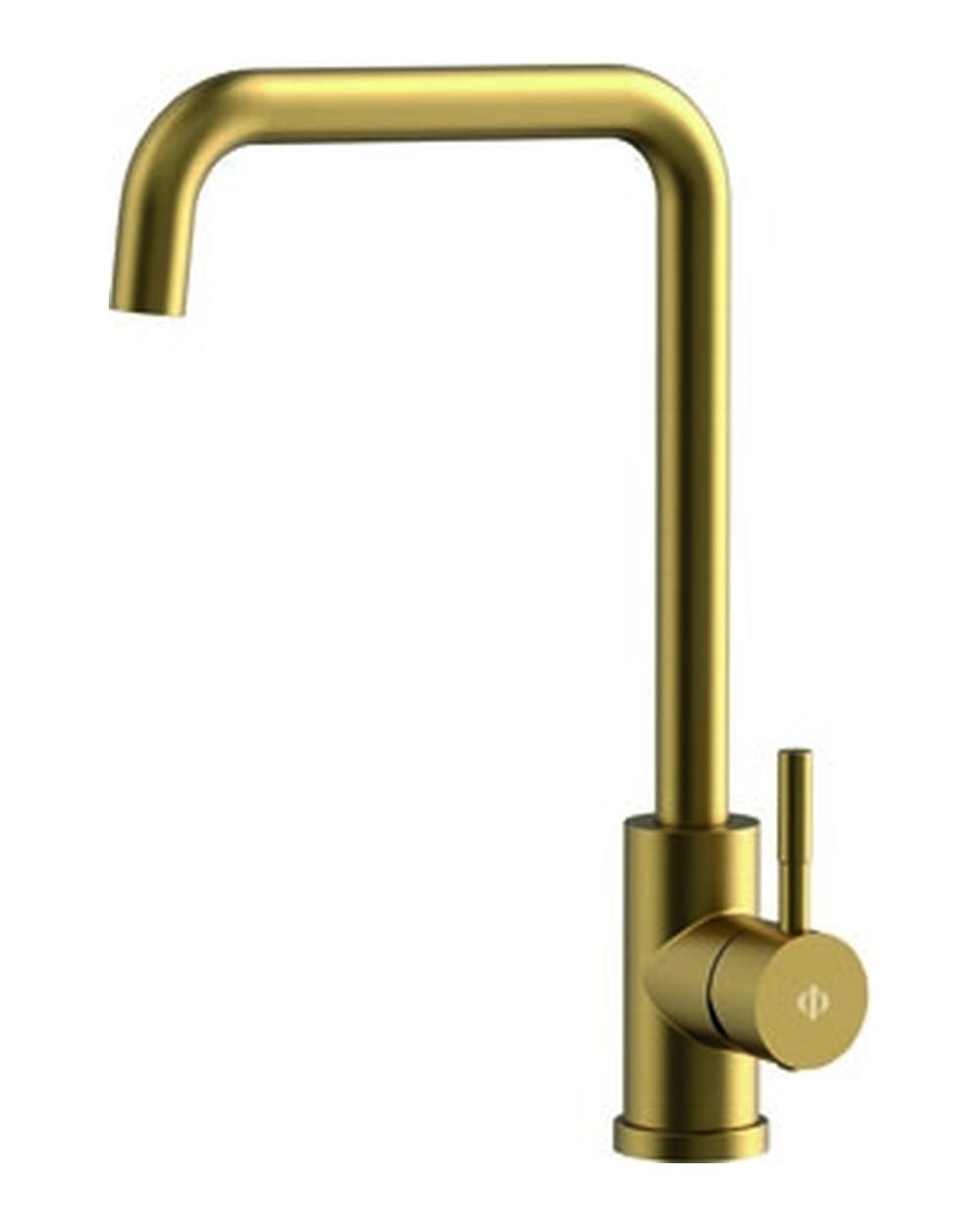
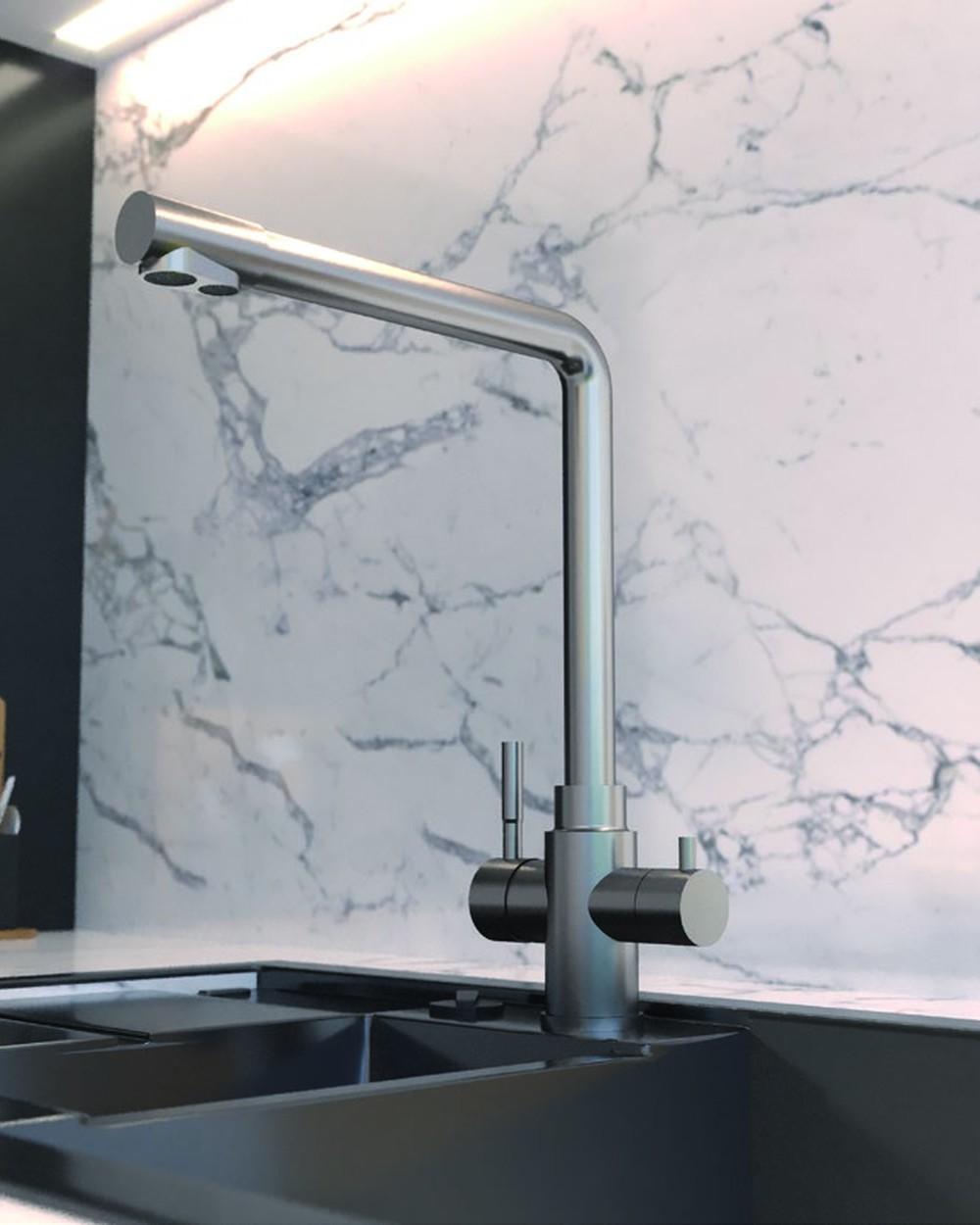
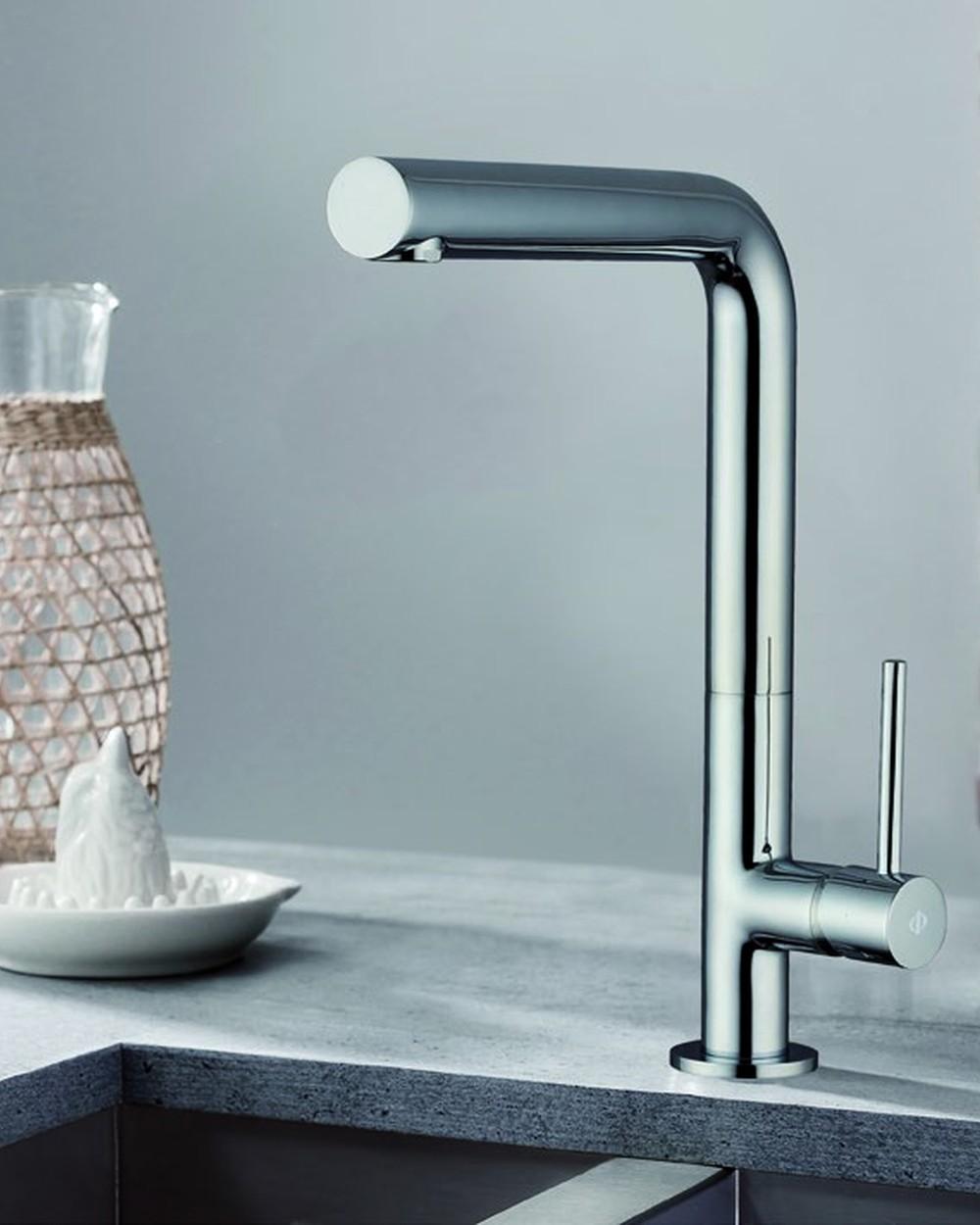
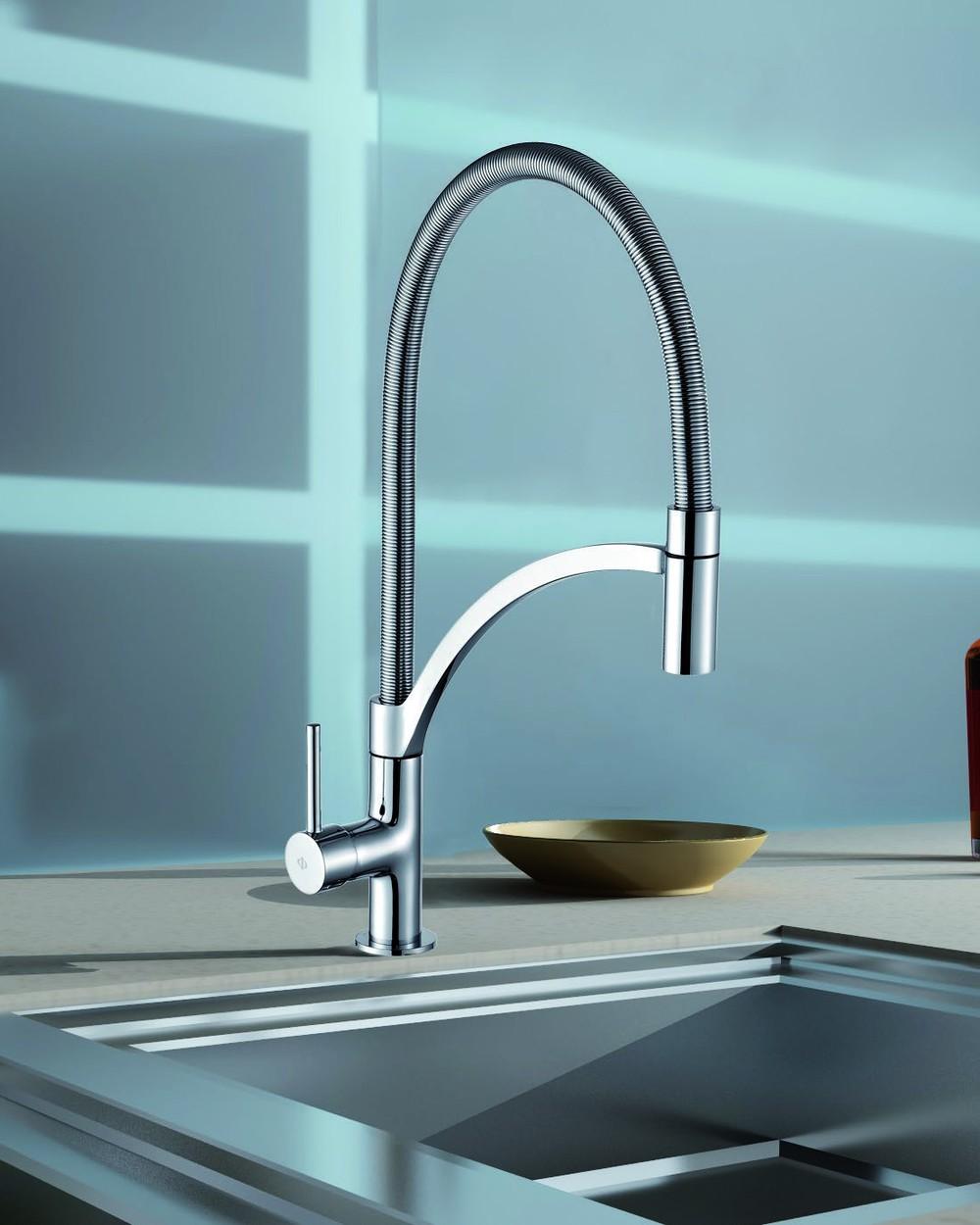
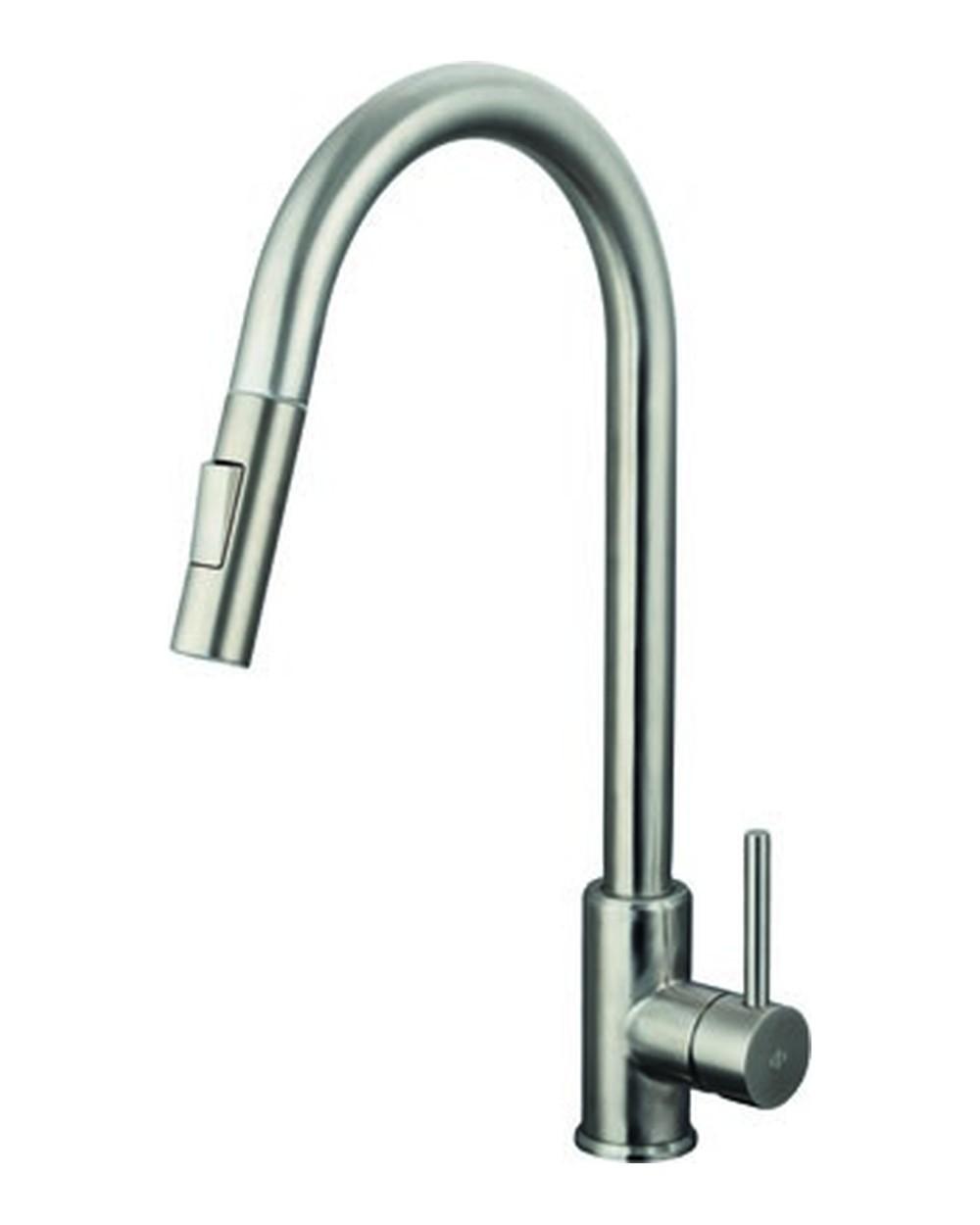
Single-lever kitchen taps with a ceramic cartridge and aerator for a soft, efficient flow. Includes the round swivel high-spout model, ideal for large sinks, and the pull-out mixer with a flexible spout in brushed SS304 stainless steel, ready for reverse osmosis. Finishes in chrome, steel and steel/black to match your kitchen. Hard-wearing and easy to maintain, designed for daily use. We advise you and quote with no obligation.
In the kitchen, the tap is the item touched most often through the day, which is why a poor choice shows immediately. The first decision is spout height. A high spout lets you fill pots and jugs without tilting them and makes washing large trays easier; in exchange, it splashes more in a shallow sink. If the bowl is less than 15 centimetres deep, a medium-height spout avoids water bouncing out.
The pull-out spout is the upgrade most appreciated in daily use. The spray pulls out to rinse the whole sink, fill containers outside the bowl and clean the corners, which is where grime collects. In double-bowl sinks it is practically essential. Look at the retraction system: counterweight versions retract the hose on their own and stop the flexible hanging loose under the unit.
If you have or plan to install a reverse-osmosis unit, a three-way tap solves the visual problem of a second small tap alongside. It integrates the filtered-water outlet into the same body, with an independent circuit so the osmosis water never mixes with the mains supply. It is a decision best made when buying the tap: adapting the sink later for a second hole is more awkward than planning for it.
The finish follows the same logic as the bathroom, with one nuance: kitchens have grease. Chrome is the easiest to degrease; matt black looks striking but demands frequent cleaning with neutral soap, because grease is more visible on a matt surface. PVD finishes in brushed gold or copper hold up well and pair with steel sinks and porcelain worktops, the most common combination in today's kitchens.
A final practical check before buying: the hole in the sink or worktop. Standard taps need a 35 mm hole, but three-way and some pull-out models require a larger diameter or a second perforation. On a stainless steel sink the hole can be enlarged on site; on a porcelain or composite worktop it is far more delicate, so confirm the requirement before ordering.
Need help choosing?
Free, no-obligation quote tailored to your project.